
Anyone who has ever touched a real traditional kani shawls of Kashmir can tell right away—this is not fast fashion. These shawls don’t come together in days or weeks. They take months, sometimes longer, because everything is done by hand. From reading the pattern to placing each colored thread, the process is slow, careful, and honestly demanding. That long wait is exactly why these shawls feel different when you wear them.
The First Step: Reading the Kani Pattern Takes Time
Before any weaving even begins, the artisan must understand the design. Kani shawls are not woven by looking at a picture. They are made by reading a coded pattern written on paper. This step alone scares away many new weavers.
The design is written in symbols, not drawings
Each color change has its own code
One mistake can ruin weeks of work
Learning this skill can take years
This is where most shortcuts fail. Machine copies skip this process, and it shows.
Why Hand Weaving Slows Everything Down
A carefully made kani shawl is woven using small wooden sticks instead of a loom shuttle. Each stick carries a colored thread. The weaver places them one by one. No shortcuts. No speed tricks.
Every color is inserted by hand
Patterns grow inch by inch
A large shawl can take 6–12 months
Breaks are needed to avoid errors
This slow pace is frustrating for mass production but perfect for real craft.
The Role of Skill in a Handmade Kani Stole
Not every weaver can make a kani piece. A true handmade kani stole needs deep focus and patience. Some artisans work on the same design for weeks without switching projects.
Years of training go into one skill
Many weavers work only on kani
Hand control matters more than speed
Experience decides the final look
This is why real kani work feels balanced and smooth, not crowded or messy.

Color Changes Are the Biggest Time Drain
In kani weaving, color changes don’t flow automatically. Each shift must be planned. A fine kani pashmina stole may have hundreds of color switches across its surface.
Each color has its own wooden stick
Threads must not tangle
Wrong placement ruins symmetry
Fixing errors costs days
This is where most low-quality copies fail. They rush colors, and the design looks flat.
Why Kani Shawls Cannot Be Rushed
A soft kani pashmina shawl needs steady hands and a calm pace. Rushing leads to tight threads, uneven fabric, and broken patterns. That’s why serious artisans refuse deadlines that are too short.
Tight weaving makes shawls stiff
Loose weaving weakens the fabric
Balance takes time
Good work needs breaks
My honest opinion? Any kani piece finished “too fast” should raise a red flag.
What Usually Works in Real Kani Weaving
From what artisans say, slow consistency works best. Many prefer working a few hours daily instead of long sessions.
Same lighting every day
Fixed seating position
Limited daily weaving hours
Regular pattern checks
This routine keeps mistakes low and quality high.
What Often Fails (And Why Copies Look Wrong)
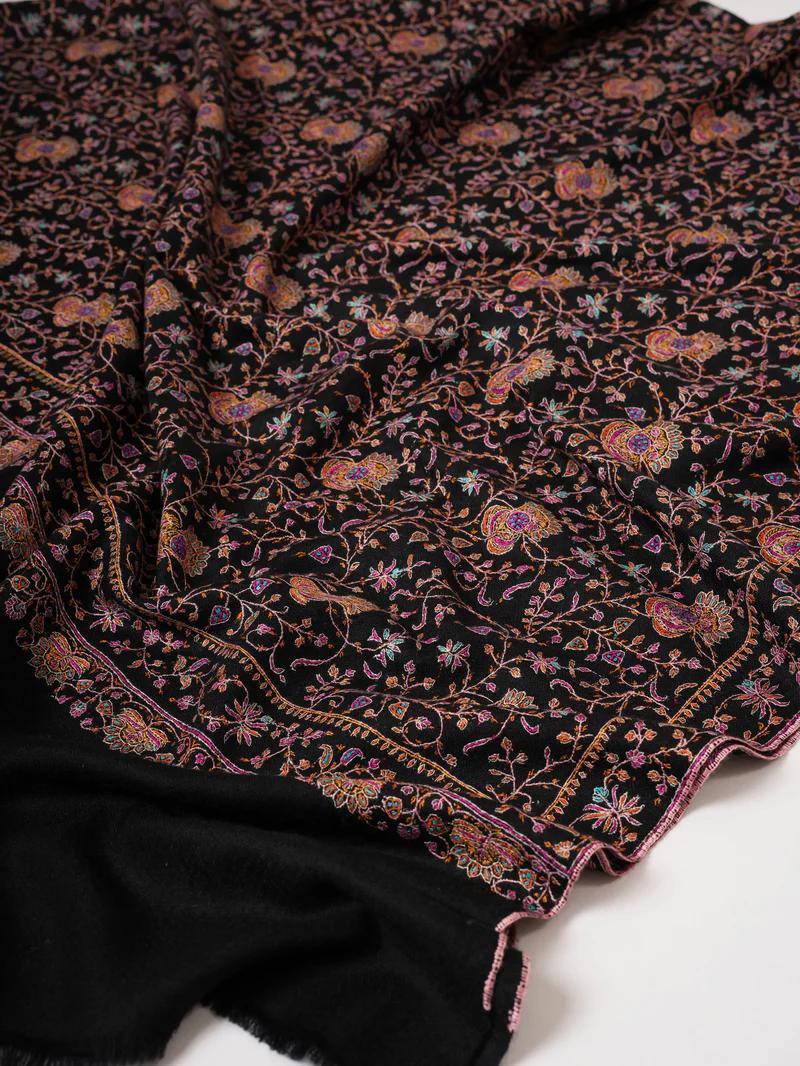
Most failures come from rushing or replacing hand steps with machines. Machine-made Kani shawls, Kashmir copies, may look fine from far away, but details fall apart up close.
Patterns don’t align
Colors bleed into each other
Fabric feels stiff
The backside looks messy
Real kani work looks clear on both sides. Copies don’t.
Why Each Kashmiri Kani Shawl Looks Slightly Different
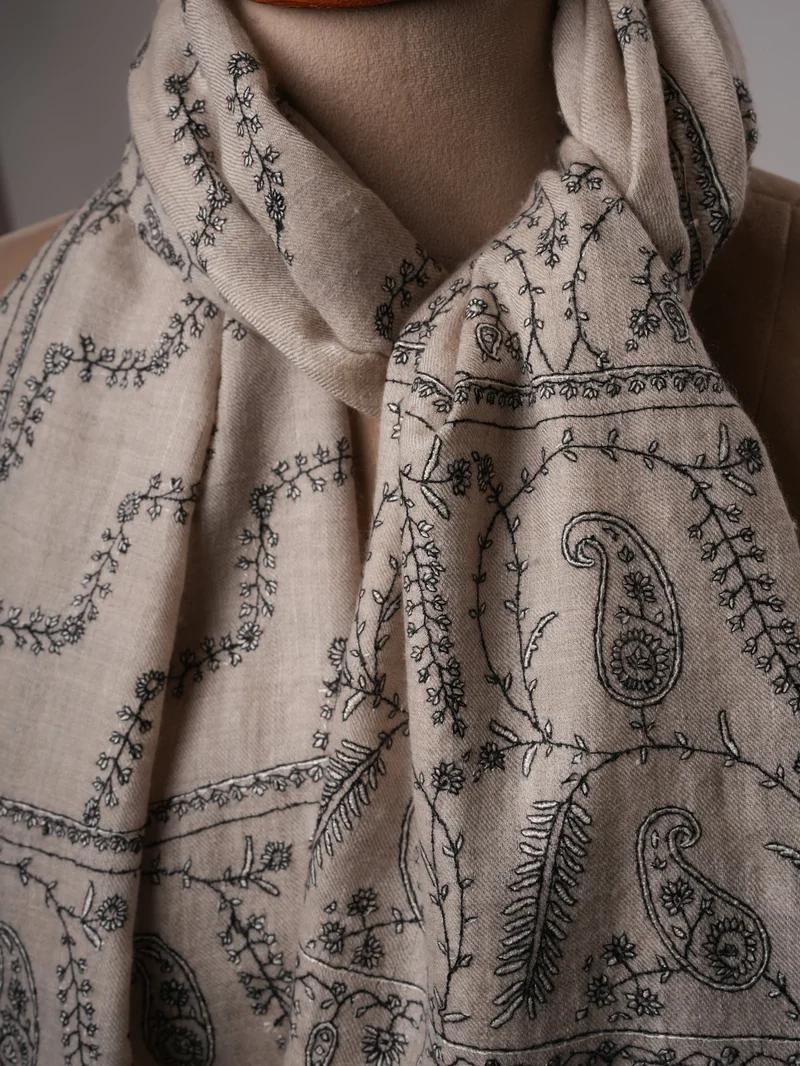
No two artisans weave the same way. That’s why a traditional Kashmiri kani shawl always feels personal. Small differences are signs of handwork, not flaws.
Natural hand pressure varies
Color tones differ slightly
The pattern flow feels organic
No factory repetition
This is what collectors love most.
Kani Shawls as Heirloom Pieces
Because of the time involved, authentic Kani stoles are often kept for decades. Families pass them down. They don’t wear out quickly if cared for.
Strong woven structure
Natural fibers age well
Designs stay timeless
Emotional value grows
Fast fashion never does this.
Conclusion
Months of effort, years of skill, and deep focus go into every real kani piece. That’s why they feel special the moment you touch them. Brands like Shahkaar support this slow process instead of cutting corners, which is why their kani pieces reflect patience, not pressure. In my view, anything that takes this long to make deserves respect—and careful buying.
FAQs
1. Why do kani shawls take so long to make?
Because each thread is placed by hand using coded patterns. There are no shortcuts.
2. Are kani shawls completely handmade?
Yes, real ones are. Machines cannot recreate true kani weaving.
3. How can I spot a fake kani shawl?
Check the back side. Real kani looks neat on both sides.
4. Do kani shawls last long?
With proper care, they last for decades.
5. Is a kani pashmina shawl good for daily wear?
It’s better for special occasions due to the detailed work.
6. Why are kani shawls expensive?
Time, skill, and hand labor raise the cost naturally.


Write a comment ...